Abandoned animals and those who take them in
This study is the result of a survey conducted by La SPA and the Affinity Foundation, with responses from 880 shelters, foster-based organisations, municipal pounds and community-cat organisations. It aims to build a better understanding of the paths and profiles of abandoned or stray animals, and of the challenges faced by the organisations that care for them.
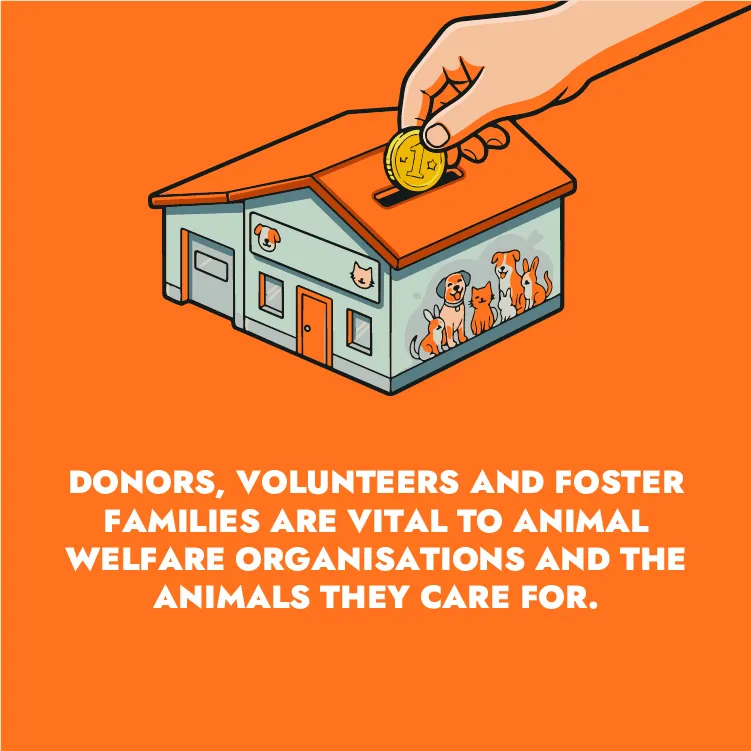
In France, the care of abandoned or stray dogs and cats still relies overwhelmingly on the animal welfare sector, where volunteers, paid staff and foster families play an essential role. This effort allows hundreds of thousands of animals to be taken in every year, but it also masks the growing fragility of a sector facing sustained capacity saturation. Organisations report long waiting lists, and for lack of space, tens of thousands of animals were turned away in 2025.
Infographic of the Abandonment and Adoption Study in France 2026
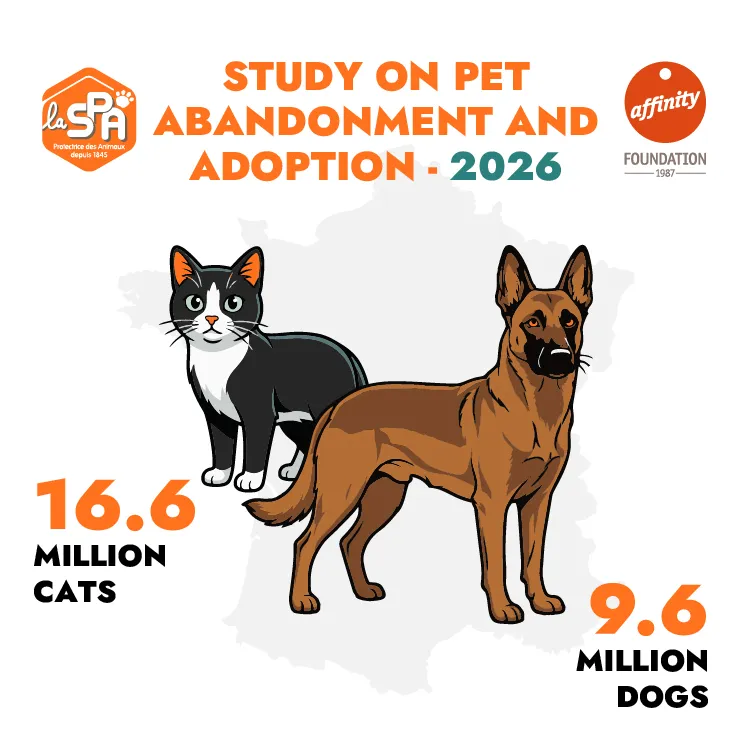
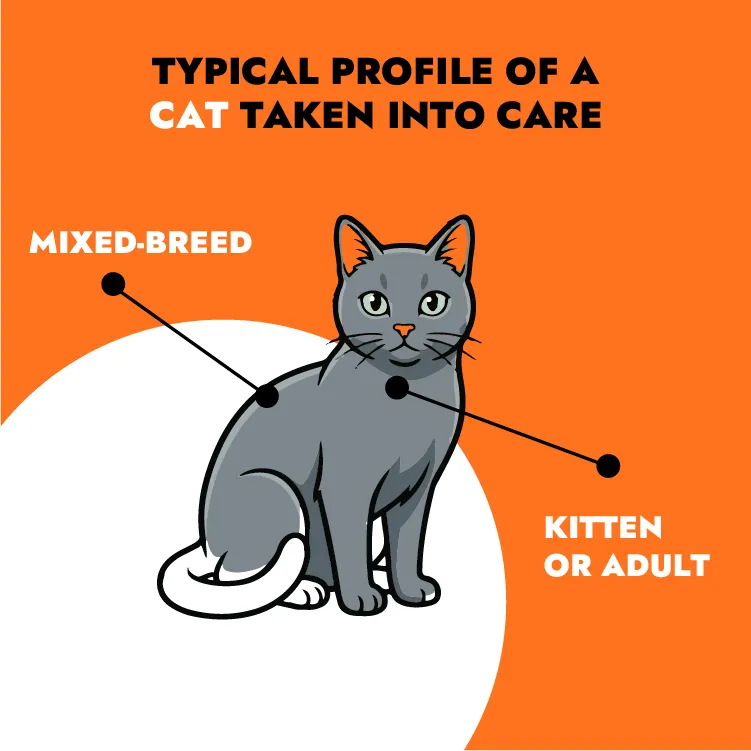
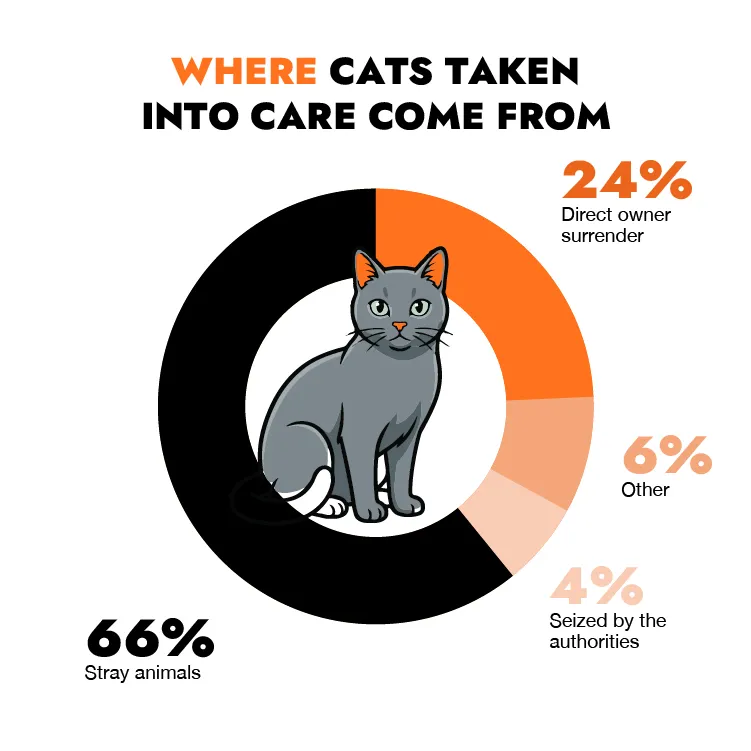
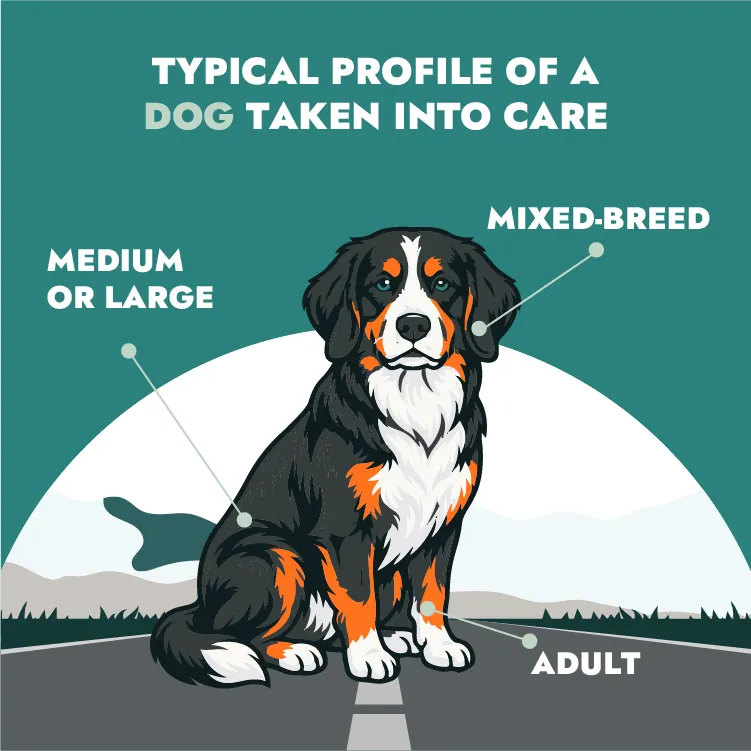
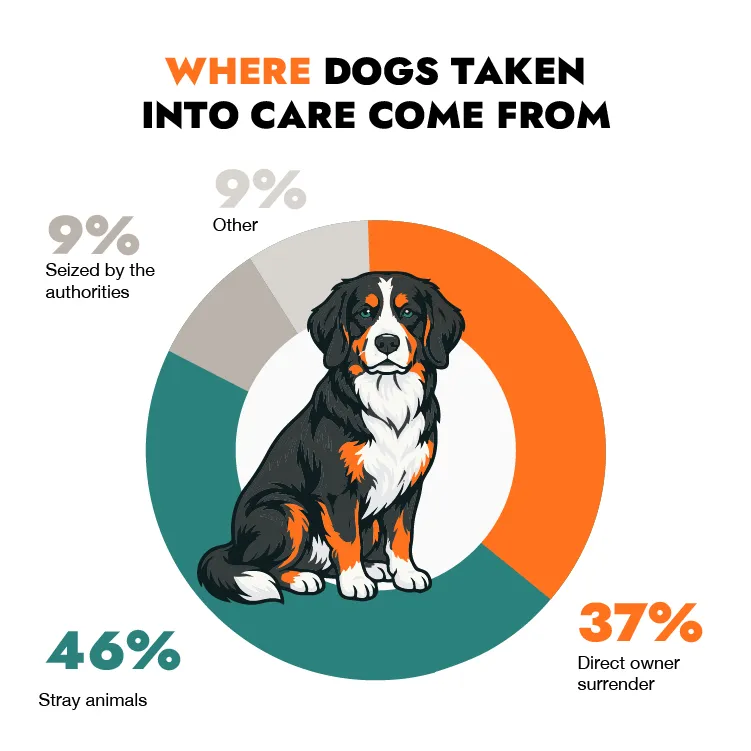
Cats make up the majority of animals taken into care, largely because of the persistent scale of stray cat populations and unwanted litters. A significant share of the cats taken in come from the street, while dogs more often arrive through direct surrender by their owners. The reasons given for surrender are mainly linked to difficulties faced by owners themselves: changes in circumstances, loss of independence or financial problems. Behavioural problems are also frequently cited for dogs.
Organisations running community-cat programmes play a major role in regulating stray cat populations and protecting stray cats. Every year they take in tens of thousands of stray cats to have them identified and neutered before returning them to their environment. However, these efforts remain constrained by a lack of human and financial resources and by uneven support from local authorities. Many organisations report having to limit, postpone or even abandon some programmes for lack of sufficient means.
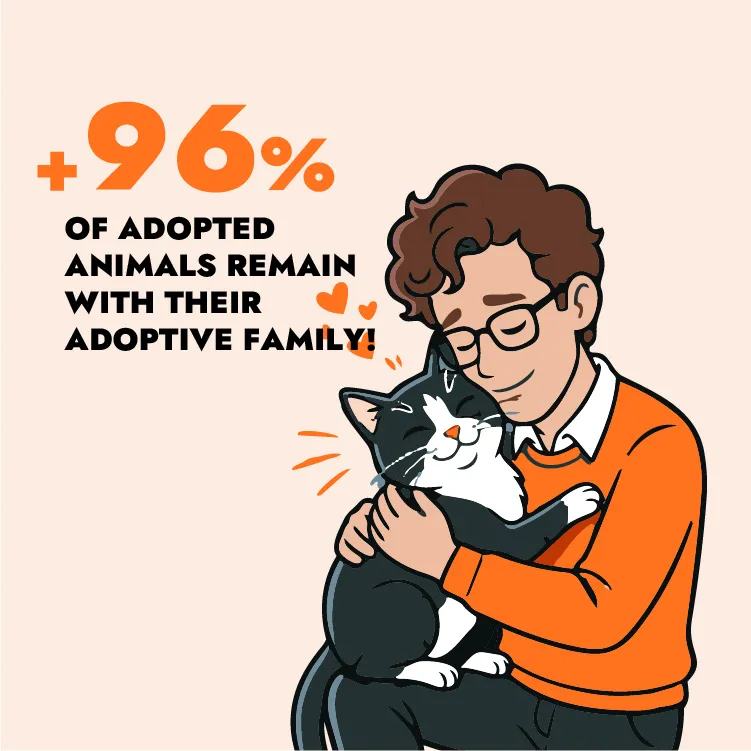
Animals wait around six months to be adopted, and a significant proportion of organisations care for animals that have been with them for several years. On a positive note, adoption is almost always a success, and animals are rarely returned to the organisation that placed them.
Download the study materials
Study infographic
Study results report